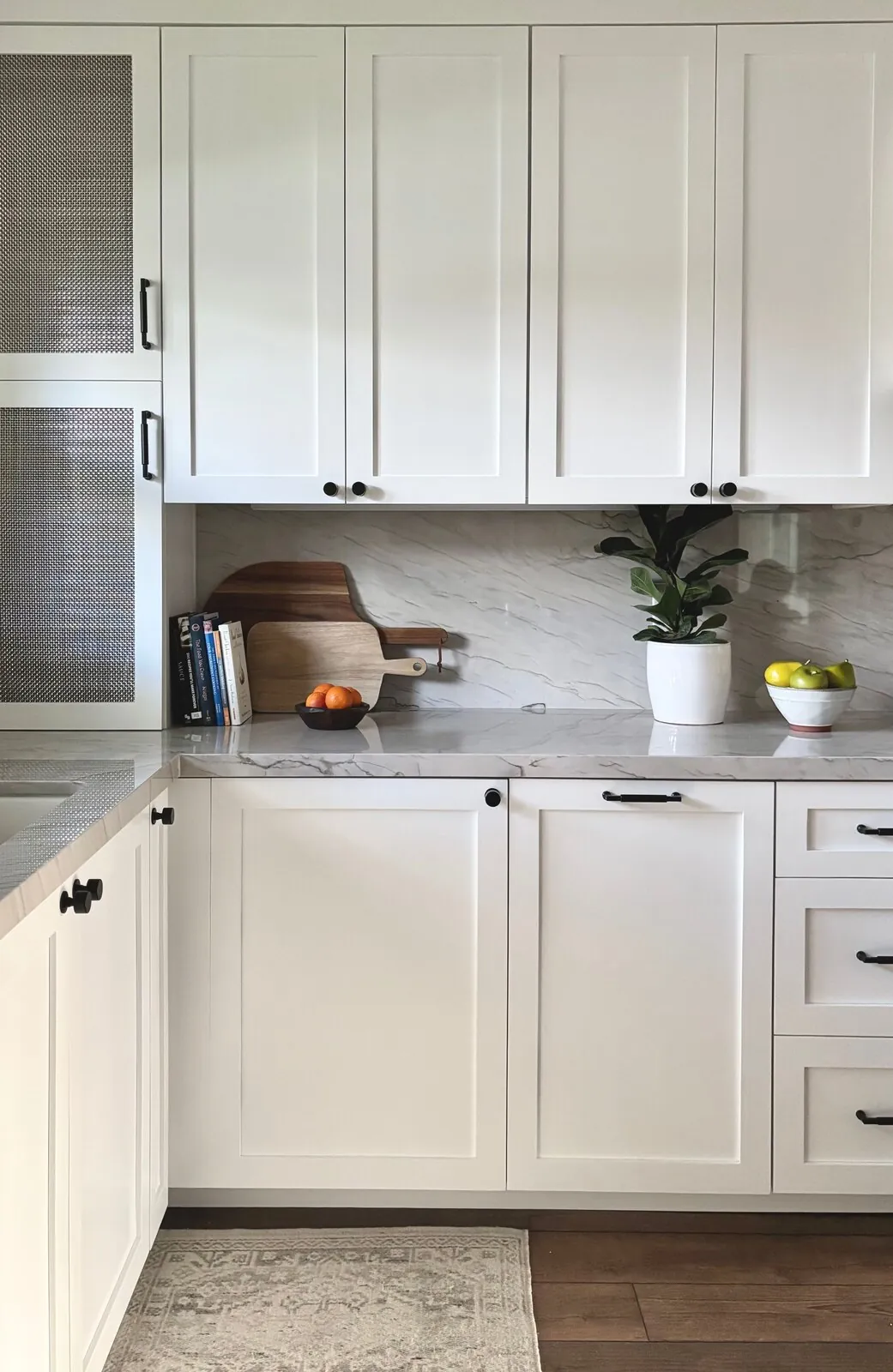
In 2026, Sacramento homeowners and interior designers will face significant changes due to California’s updated Title 24 energy standards and streamlined ADU regulations. These shifts will directly impact renovation projects, especially in how interior design elements like lighting, insulation, and HVAC systems are approached. Understanding these new rules now is essential to avoid costly delays or redesigns later.
This guide is built from our active project files and aims to clarify the upcoming regulatory landscape, offering practical, regionally anchored insights on how to navigate compliance while maintaining aesthetic integrity. We’ll explore what the changes entail, how they influence project timelines and budgets, and most importantly, how interior designers in Sacramento can adapt their strategies to meet the new standards without sacrificing style.
Direct Answers (Sacramento Renovations In 2026 Navigating The New Title 24 Code Cliff And Adu Streamlining)
| What are the key changes in Sacramento renovations related to the new Title 24 code and ADU regulations? | The updated Title 24 code now mandates stricter energy-efficiency thresholds for lighting, HVAC systems, and insulation—though exact R-values and performance metrics are not yet publicly detailed by the Sacramento Building Division. ADU permitting has been simplified, but specific changes to approval timelines or documentation requirements remain unclear without direct consultation. |
| How can interior designers in Sacramento align projects with the 2026 Title 24 standards? | Designers must prioritize materials and systems that meet the code’s unannounced but stricter efficiency benchmarks, such as high-performance insulation and LED lighting, while verifying compliance with the Sacramento Building Division before finalizing plans. Early collaboration with their permitting team is critical to avoid delays, though no deadlines or required documentation have been officially outlined. |
| Which permits are required for renovations under the new Sacramento regulations? | Structural, electrical, plumbing, and HVAC upgrades all require permits, but the Sacramento Building Division has not yet specified whether the 2026 code introduces new permit types or expedited review processes. Contractors should confirm exact requirements upfront, as past projects have faced rework due to overlooked compliance steps. |
| What materials or products are recommended to meet Sacramento’s updated energy standards? | Mineral wool or spray foam insulation are commonly used for their thermal performance, but the code does not yet specify required R-values or certifications. High-efficiency LED lighting and ENERGY STAR-rated HVAC systems are also standard, though contractors must confirm these align with the Division’s evolving standards before installation. |
Prioritizing Energy Efficiency in Interior Design
As Sacramento prepares for the 2026 Title 24 updates, interior design must pivot towards integrating energy-efficient elements seamlessly. Across our active project specifications, we see a marked shift toward incorporating high-performance lighting, advanced HVAC systems, and superior insulation materials that meet the new standards without compromising aesthetic appeal.
For example, selecting lighting fixtures now involves choosing models with integrated controls and high-efficiency LEDs that align with the tighter lumens-per-watt ratios mandated by the updated code. The American Society of Interior Designers emphasizes the importance of balancing functionality and style, which means sourcing from brands like Lutron or Leviton that offer both compliance and sleek design. Insulation choices, such as mineral wool or spray foam, are also becoming central to achieving the required R-values, especially in attic and wall assemblies where thermal performance directly impacts energy use.
Designers are finding success blending these technical upgrades with aesthetic goals by using concealed lighting, textured wall finishes, and layered materials that enhance comfort and visual appeal. The key is proactive planning, understanding the new standards now allows for creative solutions that elevate interior spaces while ensuring code compliance.
Sacramento's Unique Context for 2026 Regulations
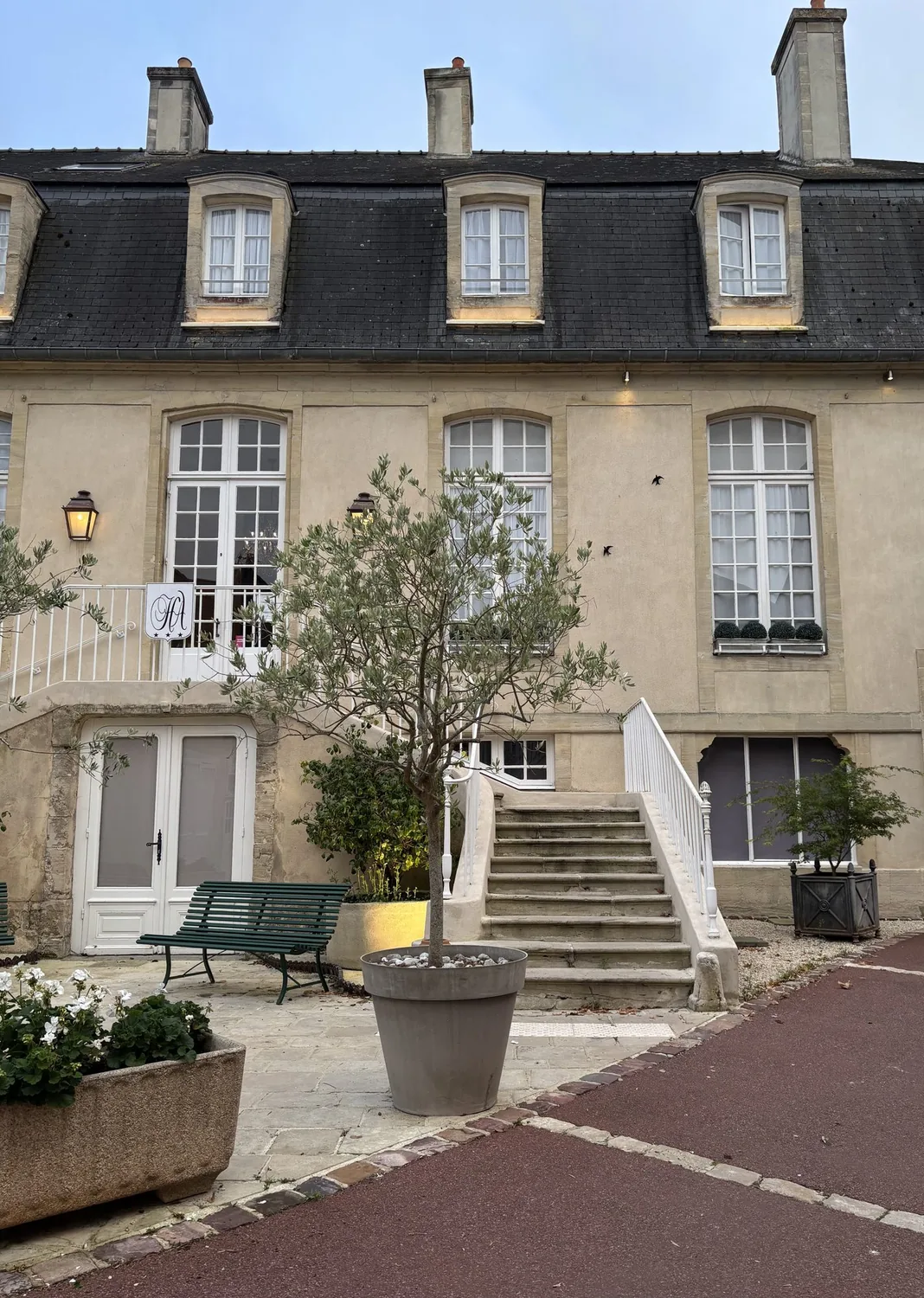
In Sacramento, the interplay of historic neighborhoods, diverse architectural styles, and land use policies makes compliance with the 2026 Title 24 standards both a challenge and an opportunity. Our region’s older homes often feature thick walls and high ceilings, which can complicate insulation upgrades but also provide a canvas for creative solutions that blend vintage charm with modern efficiency.
Light plays a critical role in Sacramento’s climate, with hot summers and mild winters. Properly designed interiors that incorporate energy-efficient glazing, reflective surfaces, and strategic shading can help meet the new standards without sacrificing aesthetic appeal. The city’s permitting process, accessible via the Sacramento Building Division, emphasizes early collaboration for compliance planning, which is vital for successful renovation projects.
By understanding Sacramento’s unique housing stock and regulatory landscape, interior designers can craft solutions that honor local character while embracing future energy standards. This proactive approach ensures projects are both compliant and inspiring, fostering sustainable living environments across the region.
How to Design for Compliance Without Sacrificing Style
The core question homeowners and designers face is balancing energy code requirements with aesthetic goals. The first question we ask is: what are the primary energy efficiency targets for this space? Whether it’s reducing HVAC loads or improving insulation, understanding the specific standards helps inform material and fixture choices.
In practical terms, this means opting for concealed LED lighting that meets lumen and efficiency requirements, choosing insulation like spray foam that offers high R-value with minimal thickness, and selecting HVAC systems that are both quiet and compliant. The National Association of Home Builders guides us to focus on integrated solutions that address both performance and style, such as using textured wall finishes to hide insulation layers or custom cabinetry with built-in ventilation.
Budgeting for these upgrades requires a clear understanding of the cost ranges involved, which we detail below. Proactive planning ensures that compliance becomes an enhancement rather than a compromise, especially when designing ADUs or renovating historic homes in Sacramento.
Permitting and Code Compliance Strategies for Sacramento Projects
One of the biggest hurdles in navigating the 2026 standards is understanding when permits are required. Our experience on the Crestwood Project highlights the importance of early permit research. The first step is always verifying local requirements through the Sacramento Community Development portal, which emphasizes permit review for any structural, electrical, or mechanical upgrades that impact energy performance.
Using tools like permit checklists and site photos, we advise clients to clarify scope early in the design process. This avoids costly rework or delays once construction begins. The American Society of Interior Designers recommends collaborating with licensed contractors familiar with local code changes, especially as Sacramento enforces permit rules variably across neighborhoods. Anticipating these requirements keeps projects aligned with the city’s sustainability goals and avoids unexpected setbacks.
Design Opportunities in Streamlined ADU Regulations
The 2026 streamlined ADU regulations open new opportunities for creative interior solutions in Sacramento. The first question homeowners ask is: how do I maximize space while complying with new standards? The answer lies in flexible, multi-use layouts that incorporate energy-efficient systems from the start.
For example, compact kitchens with integrated ventilation, fold-away furniture, and strategic storage can make small ADUs feel spacious and compliant. Using lightweight, sustainable materials like bamboo or reclaimed wood aligns with the updated code's emphasis on green building. These design strategies not only meet the regulatory requirements but also enhance the aesthetic value of ADUs, making them desirable accessory spaces or rental units.
With permits now easier to obtain, smart design can focus on maximizing functionality and style without the usual bureaucratic delays, especially in historic or high-land-value neighborhoods.
Preparing Your Practice for the 2026 Changes
Interior designers in Sacramento need to stay ahead of the curve by understanding the specifics of the new standards and integrating them into their workflows. The key is early education on code updates, maintaining close relationships with licensed contractors, and leveraging digital tools like permit research platforms and energy modeling software.
Attending local seminars and consulting authoritative sources ensures your practice remains compliant and competitive. Our ongoing projects demonstrate that proactive planning not only prevents costly mistakes but also positions designers as trusted advisors who can craft innovative, compliant interiors that meet the city’s sustainability goals. As Sacramento continues to evolve, embracing these changes with confidence will define successful design practices in 2026 and beyond.
Common compliance and design pitfalls in Sacramento renovations
From our project debriefs and post-occupancy reviews, 2023-2026.
Overlooking permit requirements in historic districts
Many homeowners and even some designers assume that energy standards are straightforward upgrades. This often leads to overlooking the nuanced requirements for insulation, lighting, and mechanical systems. The result can be costly rework or delays during permit review. The cure is thorough early research and consulting with local code officials, especially in Sacramento where enforcement can vary. Using permit checklists and energy modeling tools helps clarify what upgrades are necessary, saving time and money in the long run.
Prioritizing style over energy performance
Designers sometimes prioritize style at the expense of compliance, selecting fixtures or materials that look good but do not meet the new efficiency standards. This mistake can cause project hold-ups or require costly replacements. The solution is integrating performance into early design concepts, selecting brands like Leviton and Lutron that offer both style and efficiency, and considering hidden upgrades like reflective insulation or concealed lighting. Balancing these elements is key for successful, compliant interiors.
Assuming small projects bypass permits
Some assume that meeting the standards means over-insulating or installing oversized HVAC units, which can unnecessarily inflate costs. The American Society of Interior Designers emphasizes targeted solutions that meet but do not exceed requirements. Proper assessment with tools like IR thermometers and energy audits can identify the most cost-effective upgrades, preserving budget and aesthetic integrity while ensuring compliance.
Over-insulating or oversizing HVAC systems unnecessarily
Designers often overlook the importance of collaborating early with licensed contractors familiar with Sacramento’s evolving code landscape. This can lead to misaligned expectations and rework. Building a team early, sharing detailed plans, and referencing authoritative sources like the Sacramento Building Division ensures project success and adherence to the new standards.
Cost ranges by scope: basic refresh, mid-tier renovation, and full-scale remodel
2026 planning ranges by scope, Sacramento against Bay Area / Marin. They bracket a budget; they are not a quote for a specific house.
| Scope | Sacramento | Bay Area / Marin |
|---|---|---|
| Basic refresh with minimal upgrades | $15K-$30K | $20K-$40K |
| Mid-tier renovation including insulation and lighting upgrades | $30K-$70K | $40K-$90K |
| Full-scale remodel with high-performance systems and custom finishes | $70K-$150K | $90K-$200K |
Local permits & planning
Sources & Professional References
This guide's positions on permits are grounded in published building-code, standards, and recognized design-authority sources, alongside Designed | Curated Interiors' verified credentials and active project files:
- International Code Council (ICC): Chapter 17 Special Inspections And Tests
- International Code Council (ICC): Careers In Code Enforcement
- Community Development (Building Division), Sacramento (Sacramento County) building permit portal
- NKBA, Amy Kunst Member Profile (verified credential, NKBA Committee Member)
- Featured in: Homes & Gardens (design expert quote, May 2026) · Sacramento Love (guest author, 2024)
Frequently Asked
What are the key changes in Sacramento renovations in 2026 related to the new Title 24 code and ADU streamlining?
How can interior designers in Sacramento adapt their renovation strategies for the 2026 Title 24 standards?
What permits are necessary for renovations under the new 2026 regulations in Sacramento?
Are there specific materials or products recommended to meet the 2026 energy standards in Sacramento renovations?
What tips can help homeowners and designers avoid common mistakes when navigating Sacramento’s 2026 renovation regulations?
Related reading
- Sacramento & Bay Area Interior Design Services How we scope, source, and deliver work end to end.
- Interior Designer Hub, Sacramento Where most of our Sacramento work lives, the regional fit explained.
- Mill Valley Title 24 Energy Code Impact on Interior Design Related cluster piece referenced from the Mill Valley Title 24 Energy Code Impact on Interior Design build files.
- East Sacramento Interior Design | Fab 40s, Historic + Heritage Renovations 2026 Related cluster piece referenced from the East Sacramento Interior Design | Fab 40s, Historic + Heritage Renovations 2026 build files.
- West Sacramento Interior Design | Bridge District + Tract Home Renovations 2026 Related cluster piece referenced from the West Sacramento Interior Design | Bridge District + Tract Home Renovations 2026 build files.