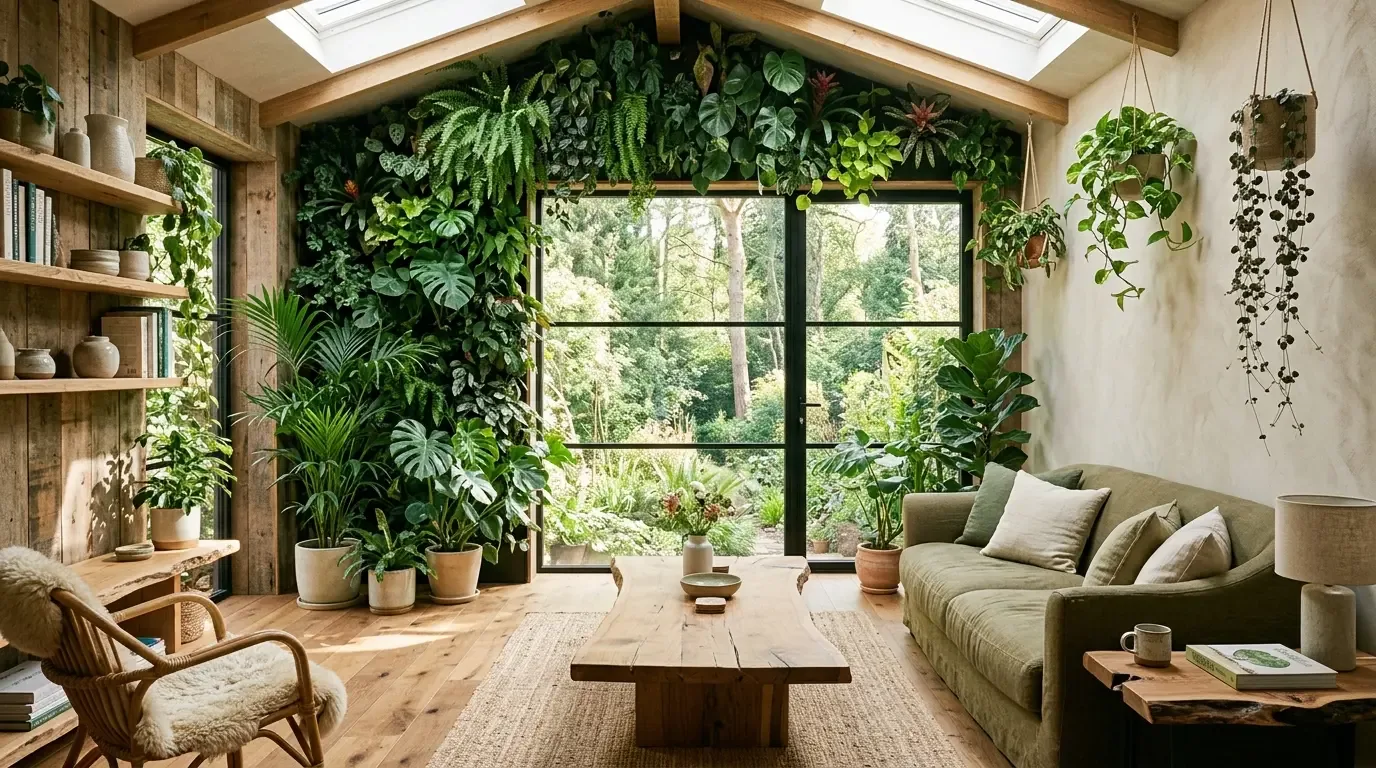
Texture is the secret weapon in creating interior spaces that feel both inviting and visually engaging. Textures shift how a room feels. Pick what suits you: comforting, elegant, or inviting. Texture shakes things up. It makes spaces feel cozy. It shifts the ambiance completely.
Here's a guide pulled from our Sacramento projects on layering textures effectively. We'll talk about types of textures, materials with depth, how light affects them, and what to avoid. In a Sacramento bungalow or a new Mill Valley home, get texture right to make the space feel timeless and connected.
Direct Answers (Texture In Interior Design)
| What role does texture play in interior design? | Texture isn’t just visual. It can make a space cozy. Also, elegant or welcoming. |
| How can I layer textures effectively in my Sacramento home? | Pick a main texture first. Add others that fit in, use matching colors, and think about the light. |
| Why is lighting important when incorporating textures? | Light changes texture perception. Soft lights emphasize subtle details; direct light brings out shine. |
| What materials are best for adding authentic texture? | Use materials like wool and stone. They add character. |
The Power of Textural Layering in Interior Design
In our current Sacramento projects, we often emphasize the layered use of textures to create depth and visual interest. Use plaster walls and metal fittings. Soft rugs? They warm a space. When selecting textures, we prioritize authentic materials such as natural wool textiles, rift-sawn oak, and textured stone that add genuine character. Picking texture gets tricky in traditional homes. Balance is key.
How light hits a surface can completely change how you see its texture. Soft lights bring out wood grain and matte plaster; bright light shows off shiny finishes. We stick to a few textures to avoid chaos, even in complex projects. Textures should tell a story. Each piece should work with the rest to avoid clutter.

Material Specificity for Authentic Texture
Authenticity-grade materials
- White oak (rift-sawn), for floors and slat detail; calmer grain than plain-sawn
- Textured linen, for upholstery and drapery, adds subtle tactile interest
- Rough-hewn limestone, for hearths and accent walls, brings natural ruggedness
- Woven wool textiles, for rugs and throws, soft and durable
- Brushed brass fixtures, for hardware, adds a matte, tactile finish
- Textured plaster, on walls for a subtle tactile backdrop
- Reclaimed barn wood, used in cabinetry or wall accents for authentic patina
- Textured ceramic tile, for backsplashes, adds visual and tactile dimension
Generic-grade tells we refuse to spec
- Smooth painted drywall, often overused and flat
- Synthetic upholstery fabrics, lack natural texture and depth
- Polished marble or porcelain, too glossy and smooth for tactile interest
- Laminate countertops, uniform and lacking in texture
- Varnished plywood, shiny and overly manufactured
- Mass-produced decorative finishes, often fake or overly uniform

How to Effectively Layer Textures Without Clutter
The homeowner’s real concern is how to incorporate enough texture to add depth without creating visual chaos. Will these textures play nice or clash? That's our starting point. One client wanted textures on everything, walls, textiles, stone. All in one spot. Too many textures in a small room? It can overwhelm fast. We kept a simple palette. Warm, earthy tones. Lighting picked out the textures.
Start with one main texture. Add others that go with, not against, it. A plaster wall with smooth wood and a wool rug strikes balance. Keep things cohesive. Know your lighting and color, these make or break a room. In Sacramento's bright light, textures fall flat if mishandled. Layer textures with care. Richness without clutter.
Choosing Authentic Materials for Lasting Texture
Many clients ask how to select materials that add genuine texture and stand the test of time. First choice: spend on real materials or go synthetic? Across our active project specifications, we favor natural options like rift-sawn oak, textured linen, and reclaimed wood because they bring real character and aging potential. Sacramento loves natural beauty and craftsmanship. Your choices should reflect that.
Expensive materials won't wear out fast. They look great for years. Textured limestone or ceramic tiles in kitchens and baths? They add interest and stay current. The American Society of Interior Designers emphasizes that material authenticity enhances the sensory experience and overall value of a space. Stick to unique textures. It keeps your space fresh.
Using Lighting to Enhance or Subdue Textural Elements
Lighting plays a pivotal role in how textures are perceived in a space. First, check the lights. Do they show off the textures? Sacramento's sunlight can make soft textures look bland without proper light control. Layer your lighting. Mix ambient and task lights to highlight plaster or woven textures.
Used adjustable sconces on a project to play light across textured walls. Gives a cozy glow. Good lighting brings depth. Textures pop, changing a room's entire feel. Harsh direct light? It'll flatten textures or make them look too busy. Mastering light angles makes interiors inviting, even in Sacramento's changing daylight.
Common Mistakes to Avoid When Incorporating Texture
In our experience, several pitfalls can undermine the success of textured interiors. Don't overdo textures. Too many layers just clutter the look. Mismatched finishes are a big mistake. Shiny marble and matte plaster clash without a plan. Cheap materials? They look nice early on but wear quickly, costing you more over time.
Avoid these pitfalls by aiming for harmony and staying true to materials. Choose a few strong textures. Think how they'll react with light and color. In Sacramento, less is more. Keep it authentic for interiors that last and don't feel messy.
What's Going Out for 2026
- Using synthetic or fake textures that lack authenticity
- Overloading a space with too many competing textures
- Ignoring the role of lighting in texture perception
- Choosing overly glossy or flat finishes without contrast
- Mismatching textures that clash visually
- Relying solely on paint or wallpaper for texture
- Using cheap materials that age poorly
- Ignoring natural light’s effect on textures in Sacramento
What Texture In Interior Design Costs in 2026
| Scope | Typical range |
|---|---|
| Refresh scope including textiles and minor finishes | $8K-$20K |
| Mid-tier materials and custom finishes | $20K-$75K |
| Full custom textured finishes and high-end materials | $75K-$250K |
Working Notes
What We Have Learned Doing This: The 7 Elements of Interior Design: Texture
“Every budget has a hidden line item: the things nobody measured.”
Old houses lie, and so do new ones. Assume your ten-year-old house plans are lying about wall framing. Old drawings and previous work are suspect. "It should be fine"? That’s never enough. Plan for an extra 15-20% in case costs rise.
Handle long-lead items first. Plan so the job moves along. The appliance, the stone, the custom millwork set the schedule, and pretending otherwise is how a project loses a month it never gets back.
The cheapest tool on any project is a sample board and an afternoon. We have watched five-figure mistakes get caught by a fifteen-dollar paint sample lived with for a week in the actual light of the actual room. Decisions made under showroom lighting do not survive contact with a real house.
These notes come from our own the 7 elements of interior design: texture project debriefs. Most were learned the expensive way the first time.
Sources & Professional References
This guide's positions on materials are grounded in published building-code, standards, and recognized design-authority sources, alongside Designed | Curated Interiors' verified credentials and active project files:
- American Society of Interior Designers (ASID): interior-design practice standards
- International Code Council (ICC): Chapter 8 Interior Finish Decorative Materials And Furnishings
- NKBA, Amy Kunst Member Profile (verified credential, NKBA Committee Member)
- Featured in: Homes & Gardens (design expert quote, May 2026) · Sacramento Love (guest author, 2024)
Frequently Asked
What role does texture play in interior design?
How can I layer textures effectively in my Sacramento home?
Why is lighting important when incorporating textures?
What materials are best for adding authentic texture?
Are there regional considerations for using texture in Sacramento homes?
From Texture In Interior Design to a Real Room
A trend piece is the briefing document, not the deliverable. The pages below show how we translate these principles into finished rooms across Sacramento and the rest of Northern California.
- Sacramento & Bay Area Interior Design Services How we scope, source, and deliver work end to end.
- Interior Designer Hub, Sacramento Where most of our Sacramento work lives, the regional fit explained.
- Modern Tudor Homes: Authentic, Revival, and Neo-Tudor (A Designer Reference) Heritage-architecture renovation patterns from our project files.
- Japandi Living Room: A Designer's Guide to the 2026 Look The 2026 warm-neutral playbook applied to the living room.
Part of our design fundamentals series. Texture is one of the seven elements of interior design. See the complete guide to the elements of interior design, and how the principles of interior design put them to work together.